
What is cannabis?
Cannabis is a genus of flowering plants in the family Cannabaceae. When the flowers of this plant are harvested and dried, you’re left with one of the most common psychoactive plants in the world. Some call it weed, pot, hemp or marijuana. The scientific name is Cannabis Sativa L.
What is in the cannabis plant?
The cannabis plant contains more than 400 molecules, approximately 100 of which are cannabinoids, but it also contains numerous other chemicals including terpenoids, flavonoids and omega-3 and 6 fatty acids.
What are cannabinoids?
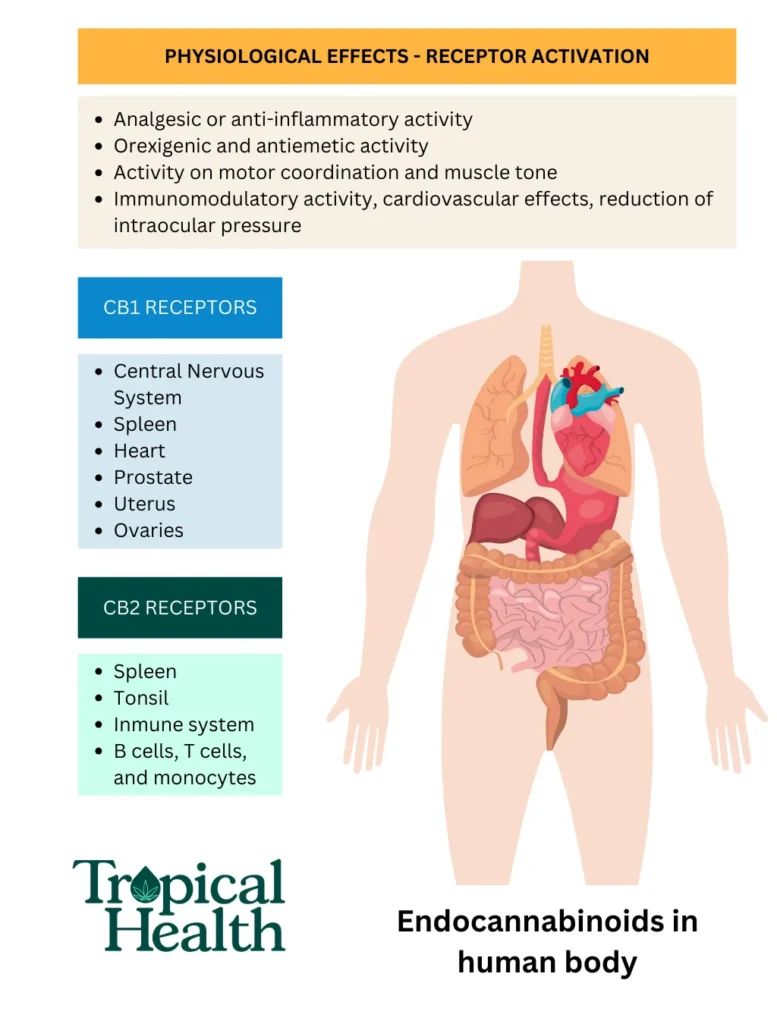
Cannabinoids are natural plant compounds; they exert their effects by interacting with specific cannabinoid receptors present on the surface of cells in humans and mammals, as part of the Endocannabinoid System function. The most well known among these compounds is THC, which is the main psychoactive ingredient in cannabis. CBD is another important non-psychoactive component, as well as CBG, CBN, CBC, and others.
What is the Endocannabinoid System?
The ECS regulates and controls many of our most critical bodily functions such as learning and memory, emotional processing, sleep, temperature control, pain control, inflammatory and immune responses, and eating. It comprises a vast network of chemical signals and cellular receptors that are densely packed throughout our brains and bodies. The “cannabinoid” receptors in the brain — the CB1 receptors — outnumber many of the other receptor types on the brain. They act like traffic cops to control the levels and activity of most of the other neurotransmitters. This is how they regulate things: by immediate feedback, turning up or down the activity of whichever system needs to be adjusted, whether that is hunger, temperature, or alertness. To stimulate these receptors, our bodies produce molecules called endocannabinoids, which have a structural similarity to molecules in the cannabis plant. The first endocannabinoid that was discovered was named anandamide after the Sanskrit word ananda for bliss. All of us have tiny cannabis-like molecules floating around in our brains. The cannabis plant, which humans have been using for about 5,000 years, essentially works its effect by hijacking this ancient cellular machinery. A second type of cannabinoid receptor, the CB2 receptor, exists mostly in our immune tissues and is critical to helping control our immune functioning, and it plays a role in modulating intestinal inflammation, contraction, and pain in inflammatory bowel conditions. CB2 receptors are particularly exciting targets of drug development because they don’t cause the high associated with cannabis that stimulating the CB1 receptors does.
What is CBD?
CBD, or cannabidiol, is the second most prevalent active ingredient in cannabis. While CBD is an essential component of medical cannabis, it is derived directly from the hemp plant. CBD does not cause a high by itself. It has been touted for a wide variety of health issues, but the strongest scientific evidence is for its effectiveness in treating epilepsy syndromes, such as Dravet syndrome and Lennox-Gastaut syndrome (LGS). Animal studies, and self-reports or research in humans, suggest CBD may also help with: Anxiety, Insomnia, Chronic pain, Addiction: CBD can help lower cravings for tobacco and heroin under certain conditions, according to some research in humans. Animal models of addiction suggest it may also help lessen cravings for other addictive substances such as alcohol, cannabis, opiates, and stimulants.
What are terpenes?
Terpenes are aromatic compounds that create the characteristic scent of many plants, such as cannabis, pine, and lavender, as well as fresh orange peel. The fragrance of most plants is due to a combination of terpenes. In nature, these terpenes protect the plants from animal grazing or infectious germs. Terpenes also offer some health benefits to the human body.
What is hemp?
Hemp is a class of cannabis sativa that contains no more than 1% THC. Hemp is cultivated for its tough bast fiber, edible seeds and oil, and its high percentage of CBD in its flowers.

Types of Cannabis Products
Sublingual Oils:
Sublingual oils are designed for quick absorption through the mucous membranes found under the tongue. This method allows the active ingredients, typically CBD or THC, to enter the bloodstream rapidly, offering swift relief for symptoms such as anxiety, pain, and inflammation. The primary benefit of sublingual administration is its speed and efficiency in symptom relief compared to ingestion methods. However, users should be cautious of the potential for strong effects if doses are not properly controlled.
Topicals:
Topical cannabis products include creams, balms, and lotions infused with cannabinoids, primarily used for localized relief of pain and inflammation. They are applied directly to the skin over a painful joint or sore muscle. The main advantage is targeted relief without significant psychoactive effects, making them a favorite among patients seeking pain management without altering their mental state. However, users with sensitive skin should test the product on a small area first to ensure there is no allergic reaction.
Gummies:
Cannabis-infused gummies are a popular edible option providing a discreet and easy way to consume cannabis. Typically used for sustained symptom relief over several hours, gummies are favored for their precise dosing and long-lasting effects. They are commonly used for chronic pain, anxiety management, and sleep disorders. However, because effects can take longer to manifest, there’s a risk of overconsumption before feeling the initial impact.
Capsules:
Cannabis capsules offer a straightforward approach to dosing and are used for consistent, long-term release of cannabinoids into the system. Like gummies, they are ideal for chronic conditions such as autoimmune disorders or chronic pain. Capsules provide the benefit of avoiding the respiratory risks associated with smoking or vaping. The main drawback is the delayed onset of effects, similar to other edible forms.
Vapes:
Vaping cannabis involves inhaling vaporized cannabis oil, allowing for rapid absorption of cannabinoids into the lungs. This method is favored for its quick onset of effects, making it suitable for the relief of acute symptoms like nausea or sudden pain flare-ups. However, potential respiratory risks associated with vaping and the difficulty in determining the exact chemical contents of the vapor are important considerations.
Suppositories:
Cannabis suppositories offer an alternative for those who cannot, or prefer not to, take their medicine orally or through inhalation. They are particularly useful for localized relief in the lower body, such as pelvic pain, or for gastrointestinal issues. The benefits include high absorption efficiency and avoidance of the digestive system, but discomfort and the intimate method of administration might be drawbacks for some users.
Patches:
Transdermal patches are applied to the skin, releasing cannabinoids slowly over a period of time for steady, prolonged relief. They are especially useful for managing chronic conditions with a need for consistent blood levels of cannabinoids, such as during cancer treatment or chronic neuropathic pain. One downside is that patches may not provide relief as rapidly as other forms like vaping or sublingual oils.
Each of these products offers unique benefits and potential drawbacks, and the best choice depends on the individual’s specific health needs and lifestyle preferences.